
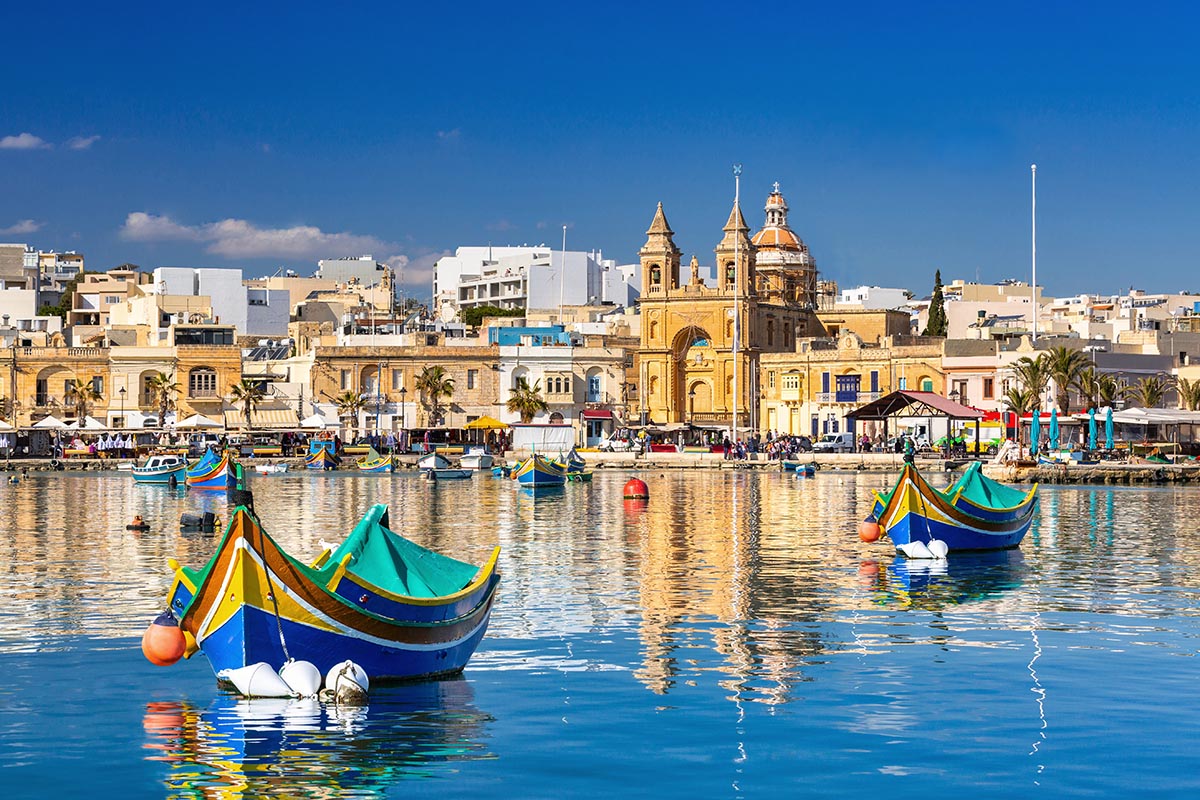
Malta - a Travel Guide
Malta - a hidden gem in the Mediterranean
by Rachel Ward, Designer Travel
Recently Designer Travel was invited by Eventia and the Malta Tourism Board to visit Malta and experience first hand all the things that make Malta such a special place. We gladly accepted their invitation and now we are anxious to spread the word. We wrote this Malta travel guide to shine a bright light on this diverse destination. Malta is the kind of place that stays with you long after you leave. Before visiting, I didn’t know much about it beyond its location in the Mediterranean between Sicily and Africa. But as I explored its cities, landscapes, and history, I realized this small island nation is packed with more than I ever expected. It’s not just a destination—it’s an experience.
Everything about Malta is a delight. Getting around is easy, whether by ferry, jeep, yacht or even a traditional dgħajsa boat. We did a lot of walking too because most of the sites are easily accessed on foot. Because the island is so small it’s easy to cover a lot of territory on foot. The accommodations are just as varied, from boutique hotels in historic buildings to luxury resorts and countryside wellness retreats. And the food? Incredible.
Read on to get a glimpse into all the things that make Malta worth a trip to the Mediterranean.
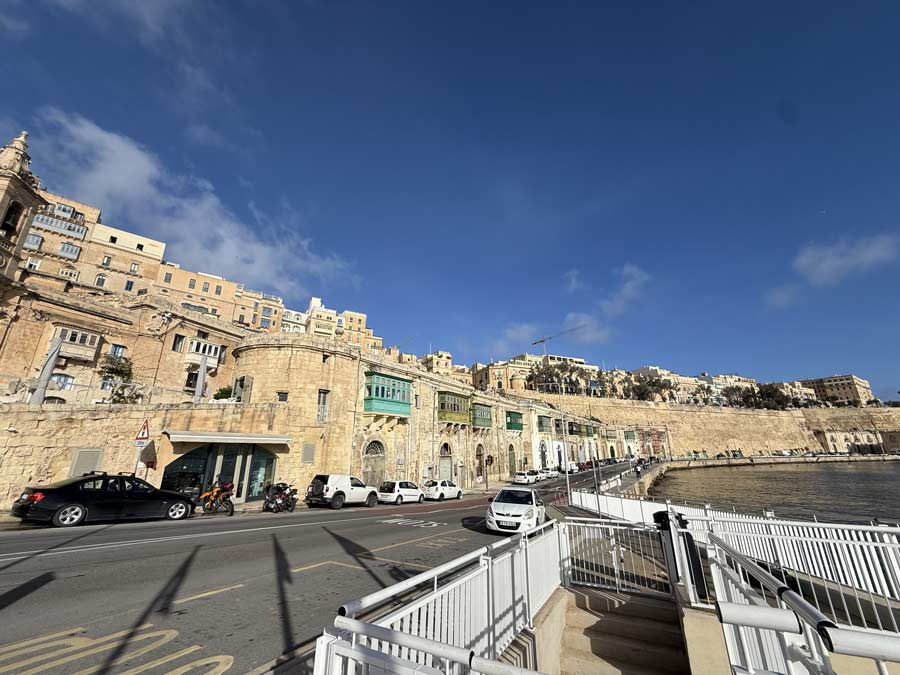
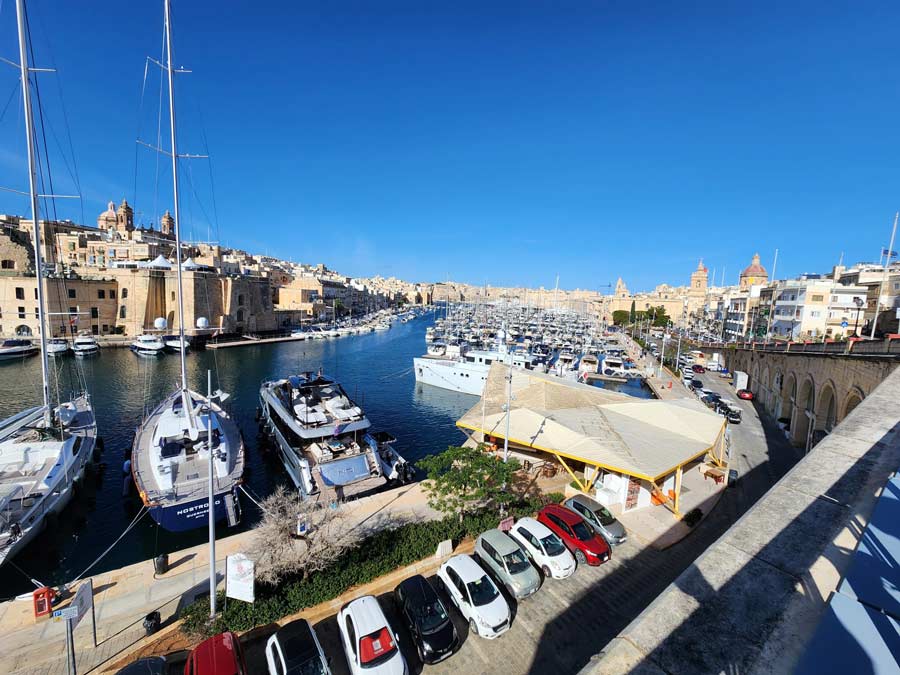
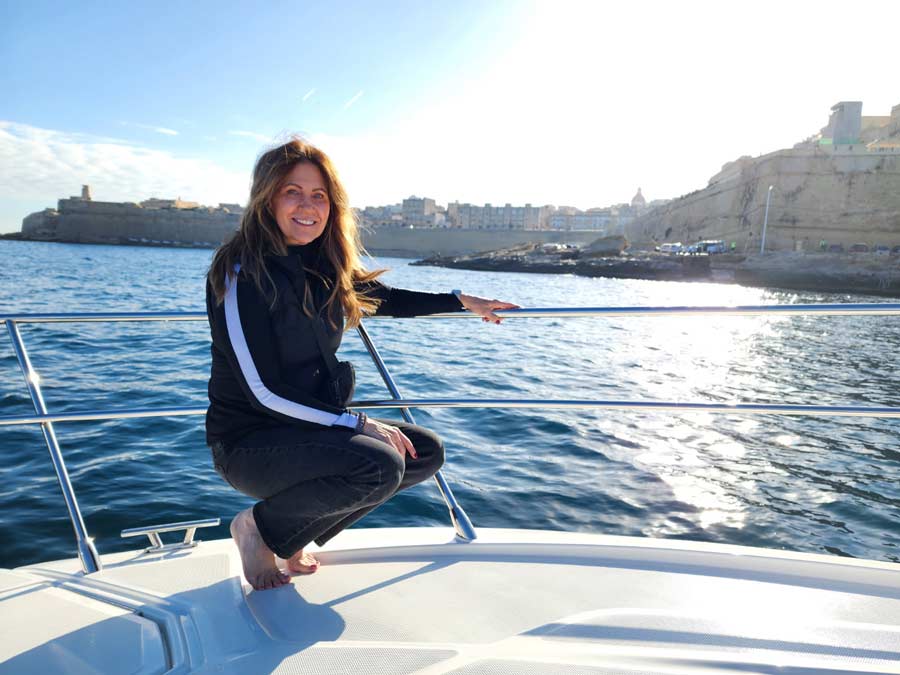
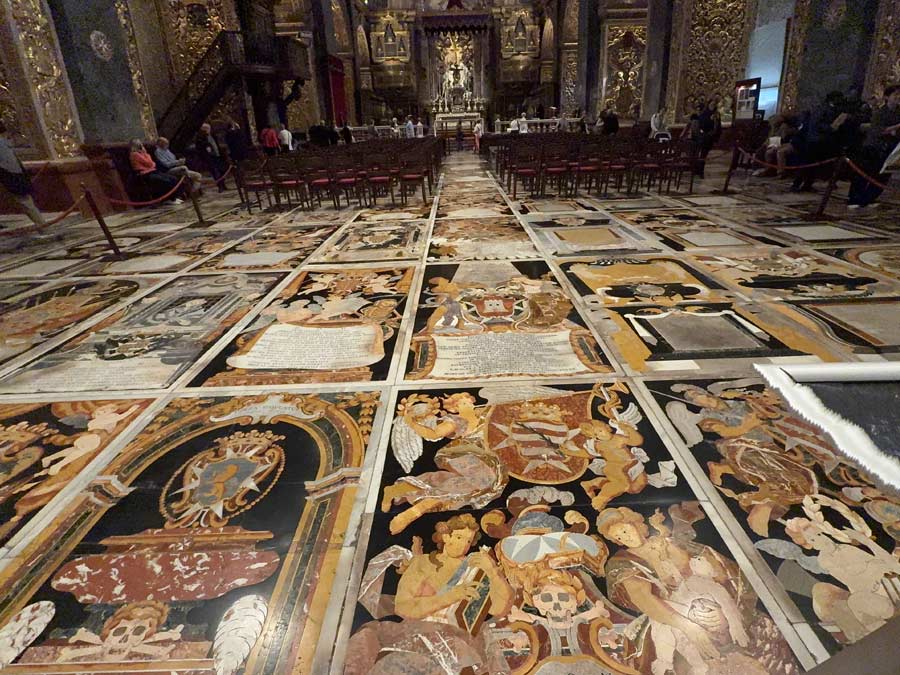
Valletta, Capital of Malta
Mdina, the Silent City of Malta
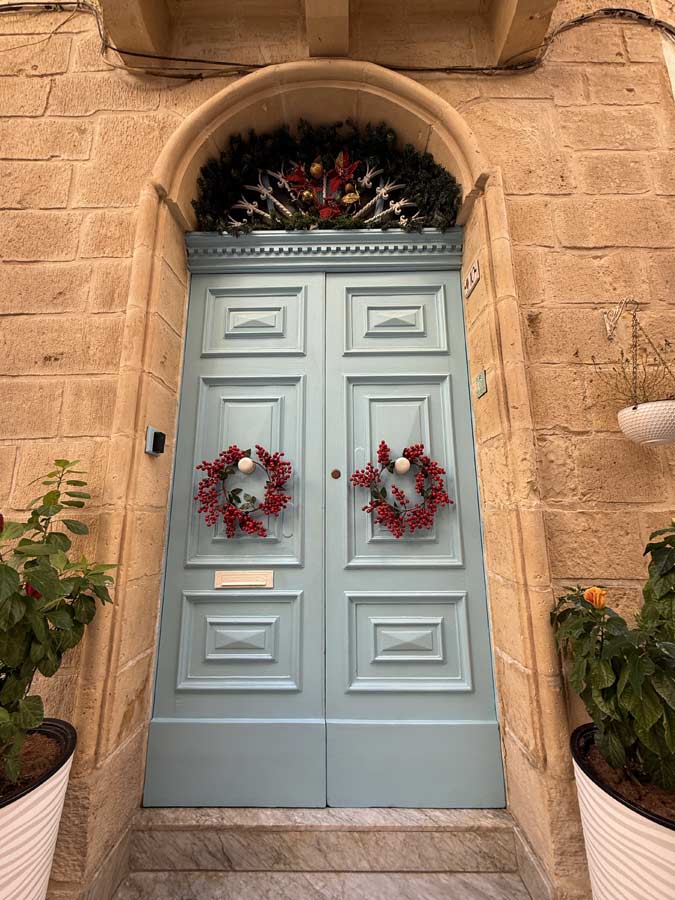
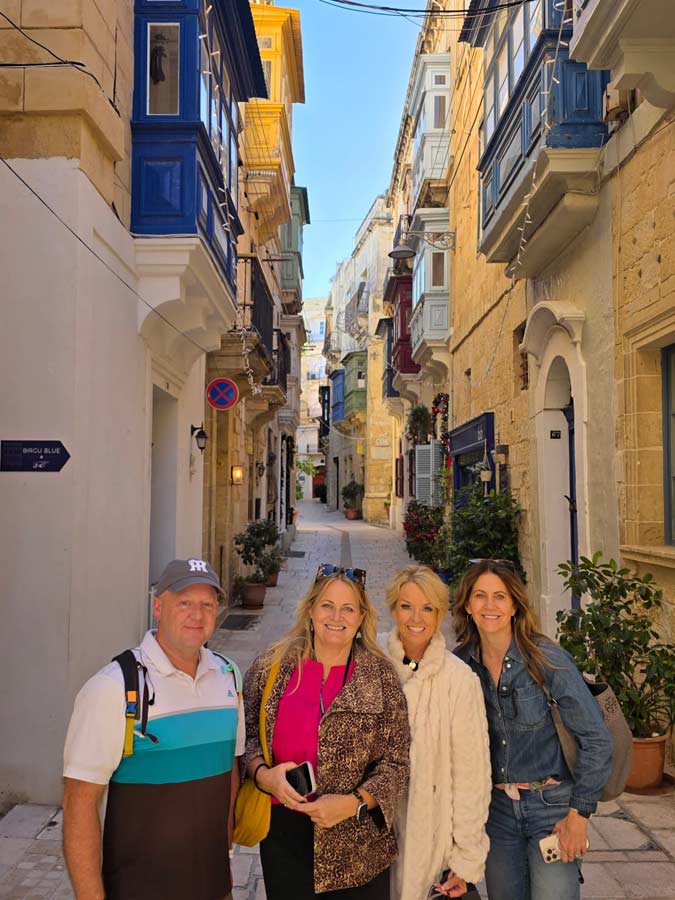
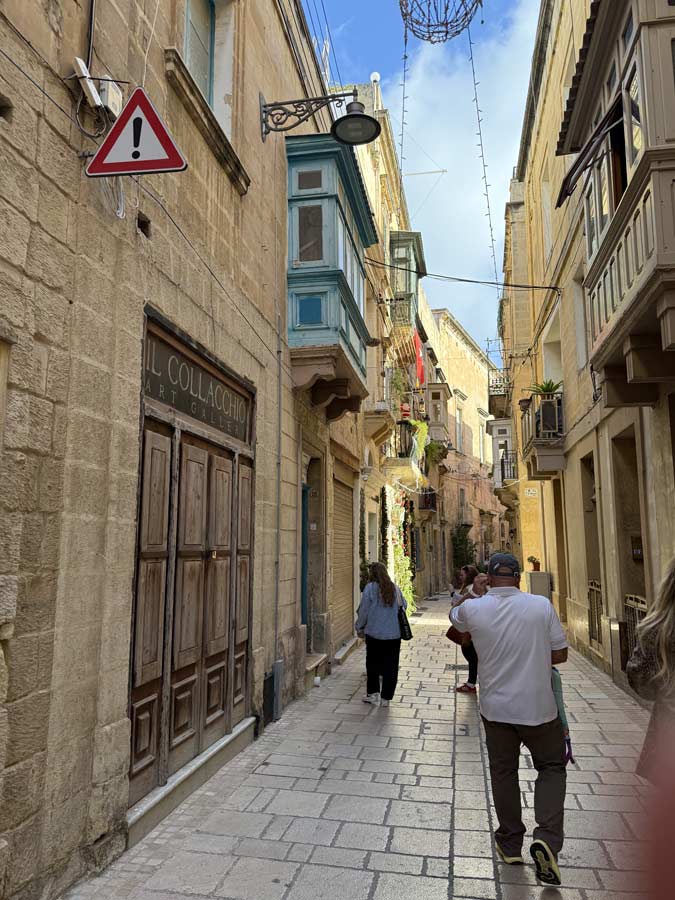
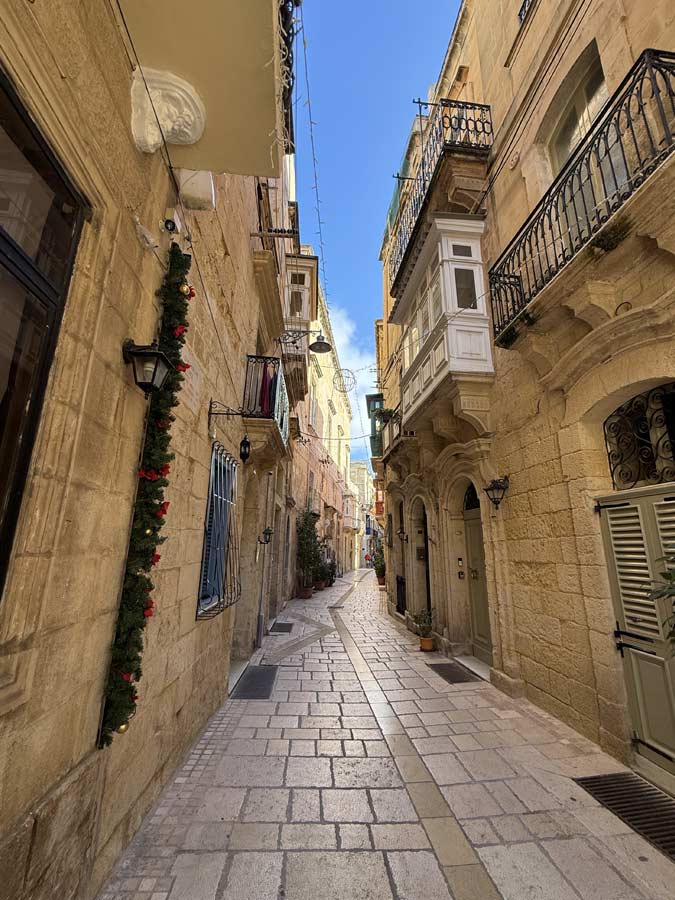
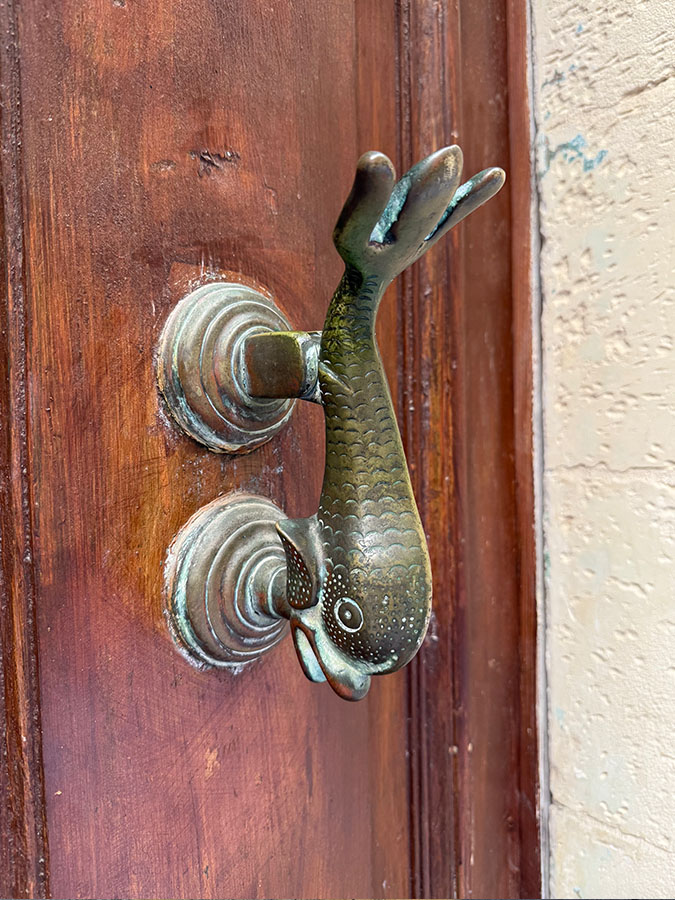
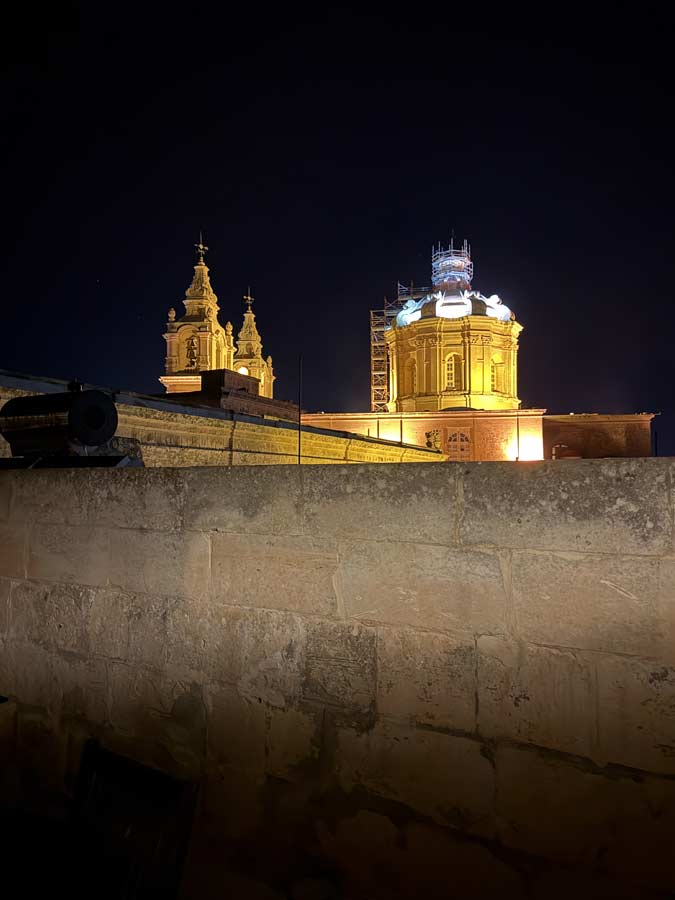
Mdina, the old capital, is completely different but just as captivating. Known as the “Silent City,” it’s perched on a hill and surrounded by thick walls that have protected it for centuries. The streets are narrow and winding, lined with honey-colored limestone buildings that are constantly being restored so they remain beautiful and the history is preserved. My favorite part of Mdina were the doors—each one unique, painted in bright colors, and adorned with intricate knockers. It’s a small detail, but it adds so much character. Mdina has been inhabited since ancient times, and walking through it, you can feel the layers of history, from the Phoenicians to the Romans to the Arabs who gave it its name.

Rabat, Malta
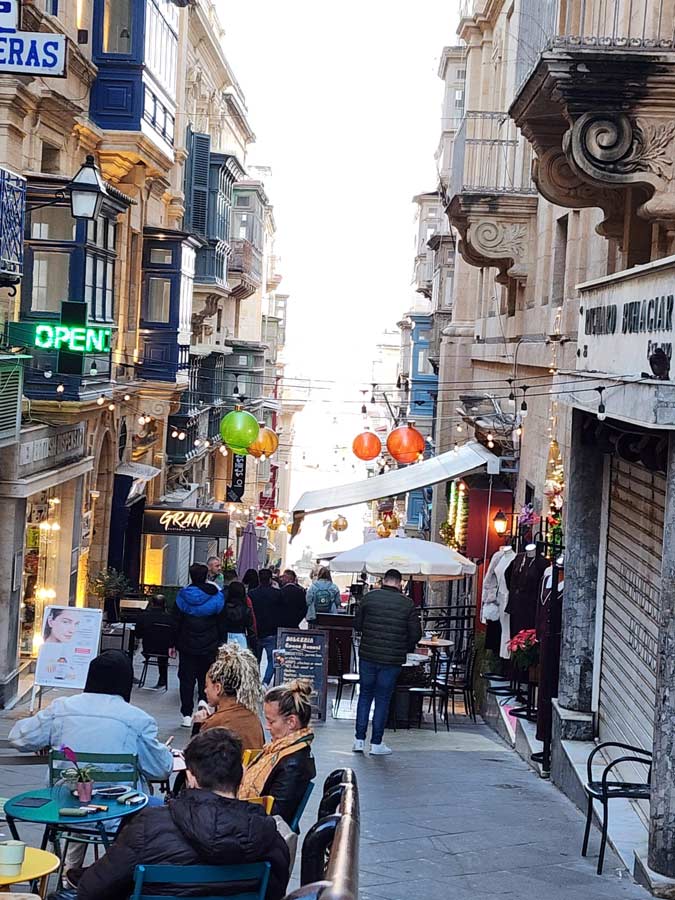
Rabat, just outside Mdina, is a must-visit for history enthusiasts and culture lovers alike. It’s home to the catacombs of St. Paul and St. Agatha, underground burial sites dating back to Roman times. These labyrinthine tunnels are both eerie and captivating, offering a window into early Christian life on the island. Beyond the catacombs, Rabat buzzes with local life—its streets are filled with family-run shops offering handmade crafts, traditional lace, and local delicacies. The town’s vibrant markets are perfect for picking up unique souvenirs, from Maltese ceramics to artisanal honey. After exploring, relax at one of the many charming sidewalk cafés or bakeries, where locals gather to chat over coffee and freshly baked goods. One of my favorite things about Rabat is the relaxing, yet vibrant vibe of small city life.

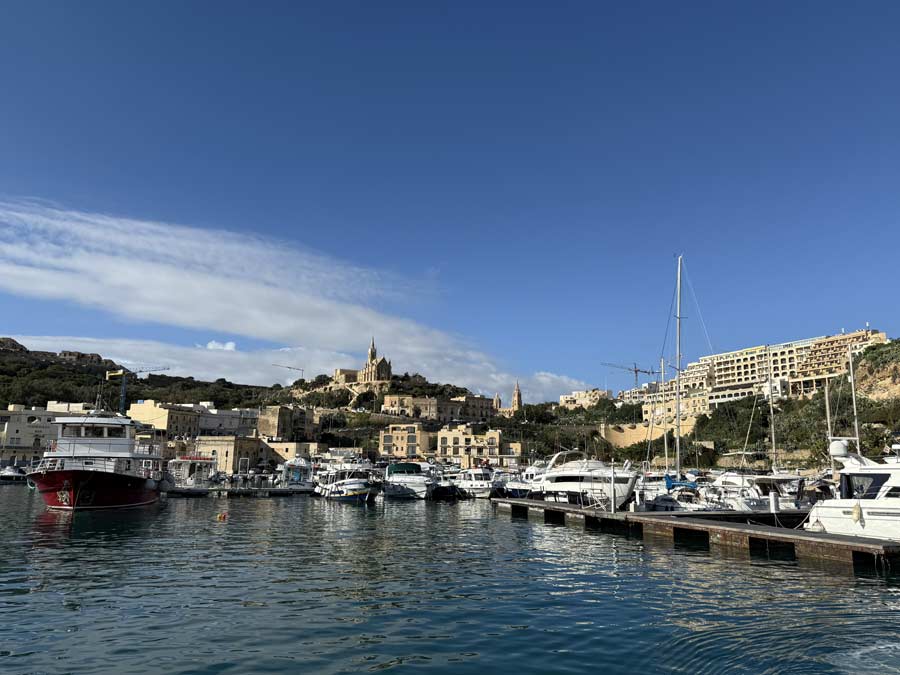
Three Cities—Birgu, Senglea, and Cospicua
History of Malta
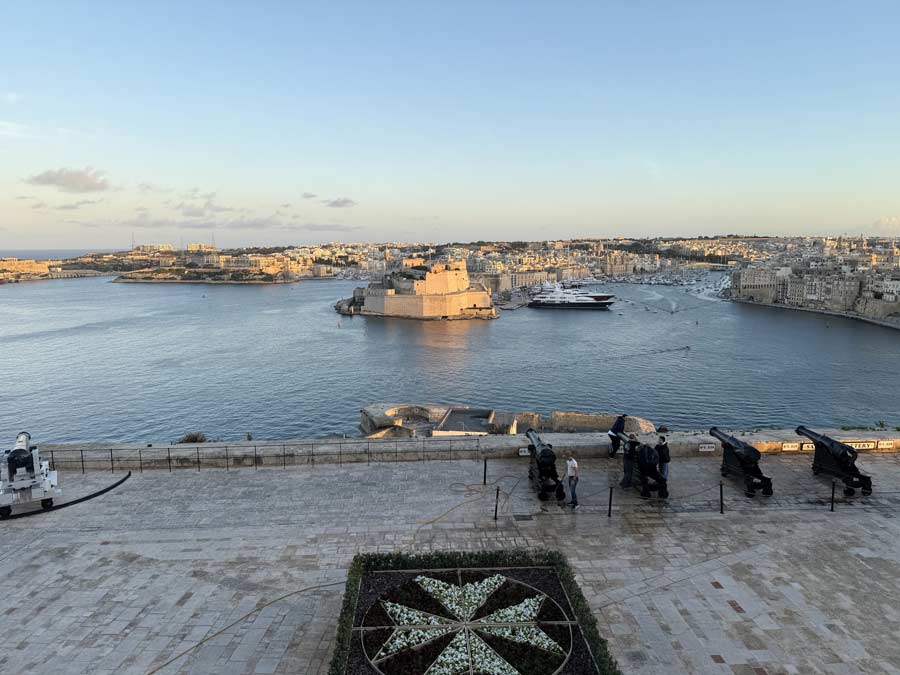
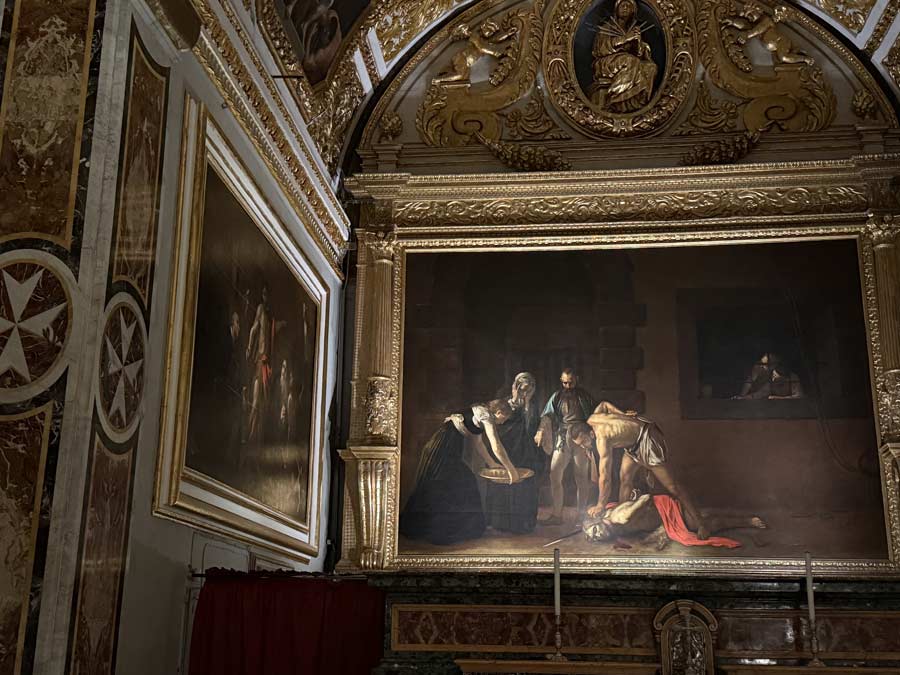
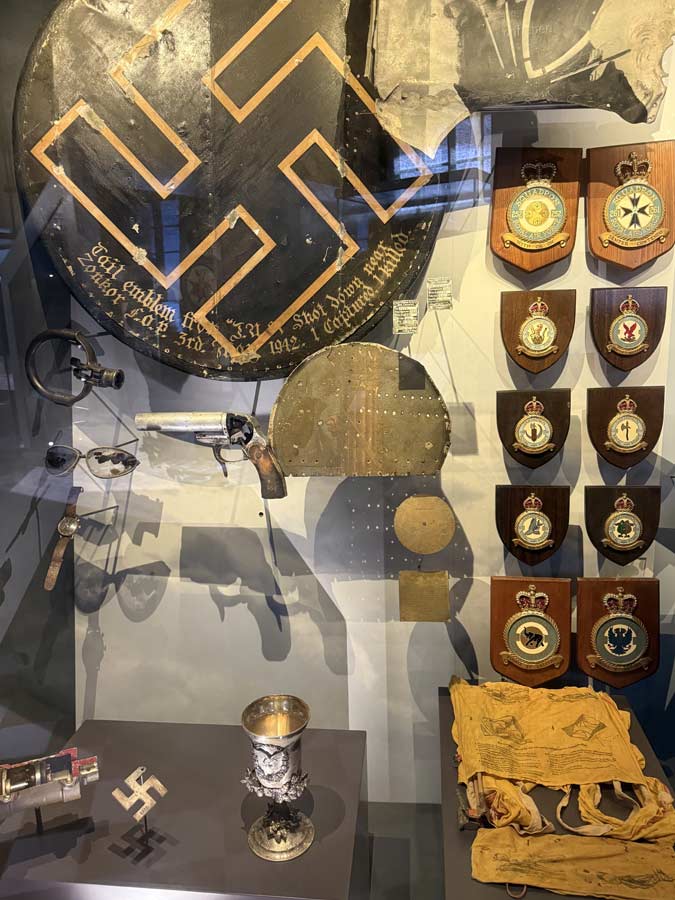
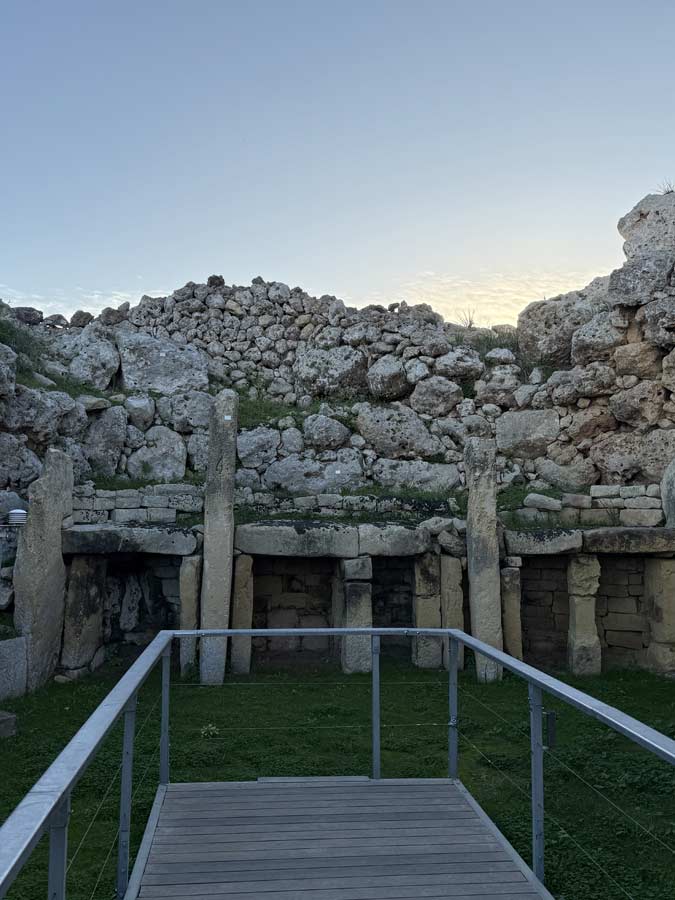
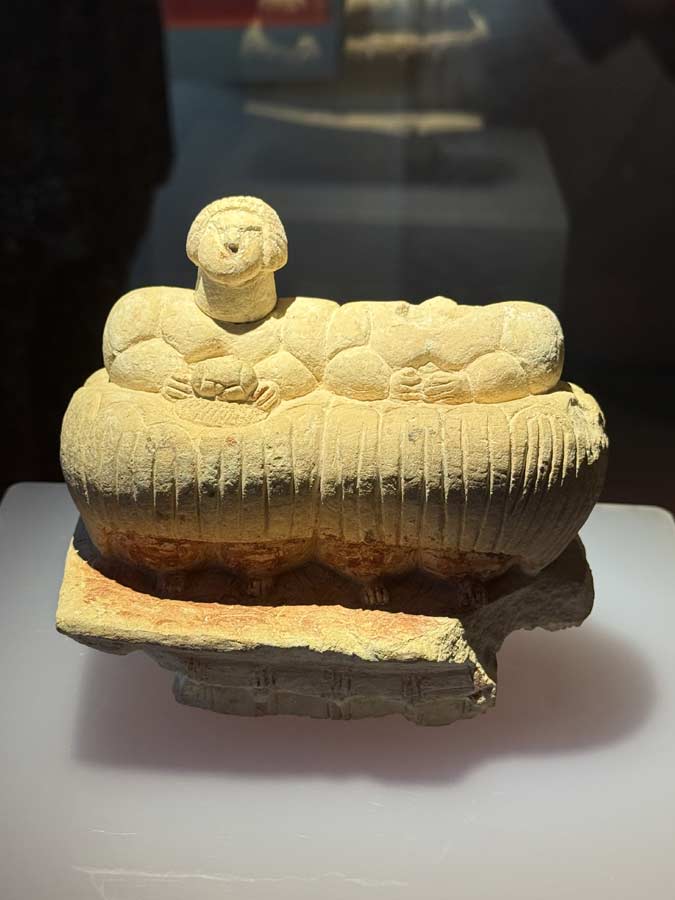
Malta’s rich history spans millennia, beginning with ancient civilizations like the Phoenicians and Romans, who left remarkable temples and artifacts. The Knights of St. John fortified Malta in the 16th century, famously defending it during the Great Siege of 1565. British rule from 1814 modernized the island, making it a strategic naval base. During World War II, Malta endured relentless bombings but emerged resilient. Exploring Malta, I was captivated by the grandeur of the Knights’ palaces, the intricate beauty of its cathedrals, and the hauntingly powerful World War II museum, where stories of courage leap from every exhibit. The ancient ruins, weathered yet majestic, whisper secrets of civilizations long gone, making every corner of Malta a playground for the curious and the passionate. Today, Malta thrives as a vibrant, independent nation and EU member.

Beyond the cities, Malta’s natural beauty is nothing short of breathtaking.
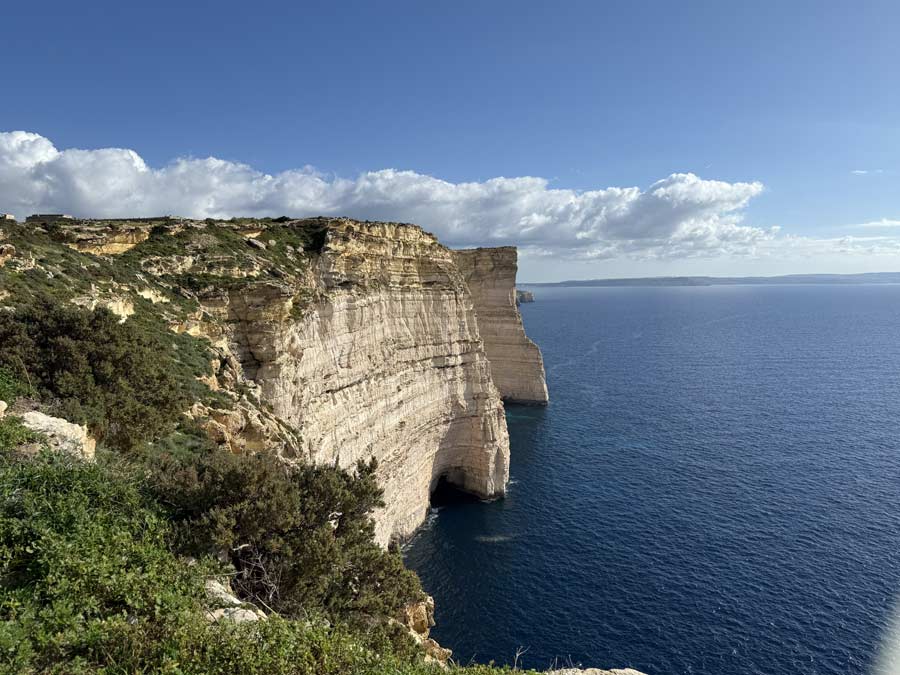

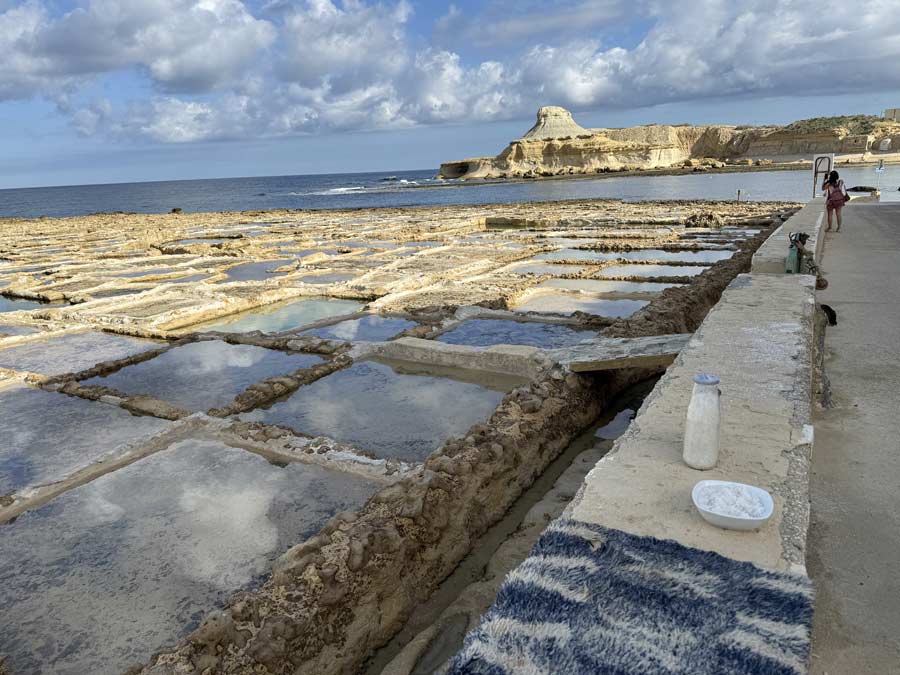

Exploring Gozo by jeep is the best way to see everything, even the smaller roads that lead out to the cliffs letting you see the island’s rugged beauty up close. The open-air ride takes you along winding roads and off-the-beaten-path trails, revealing hidden gems like the salt pans near Marsalforn. These centuries-old salt mines, carved into the rocky coastline, are still in use today. Walking along the geometric patterns of the pans, you can see the salt crystals glistening in the sun, a testament to the island’s long-standing traditions. Meeting a local salt miner and hearing about the process firsthand adds a personal touch to the experience. I couldn’t resist buying a small bag of freshly harvested salt—it’s a simple but meaningful souvenir that brings a little piece of Gozo’s history home with you. The jeep tour also takes you through Gozo’s rolling hills, past quaint villages, and to stunning viewpoints, making it one of the most memorable ways to experience the island. We zig-zagged all over Gozo by jeep while our driver told us all about his roles in Game of Thrones and The Count of Monte Cristo.

Malta in the Movies
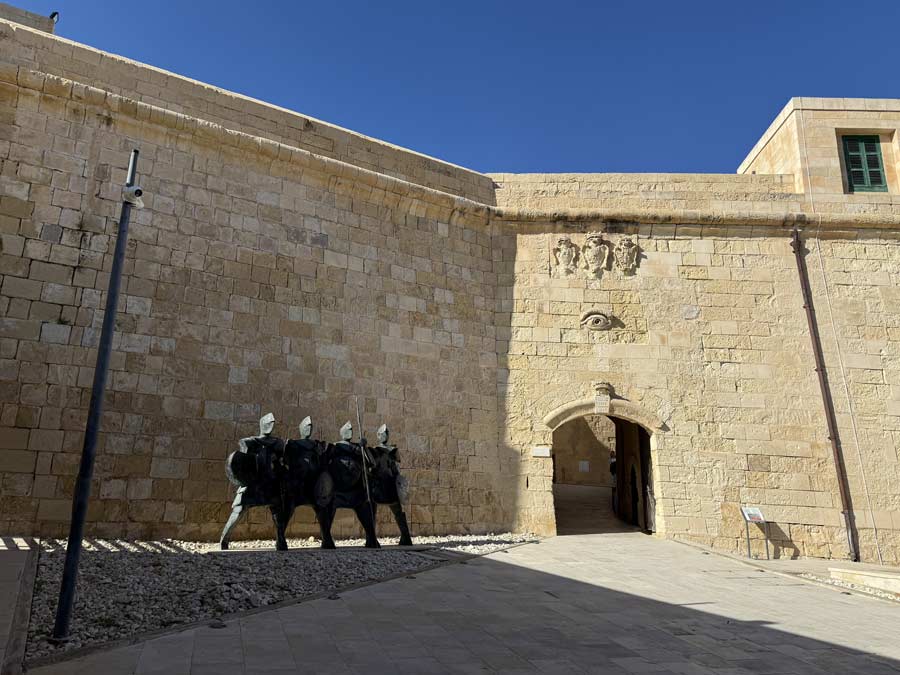
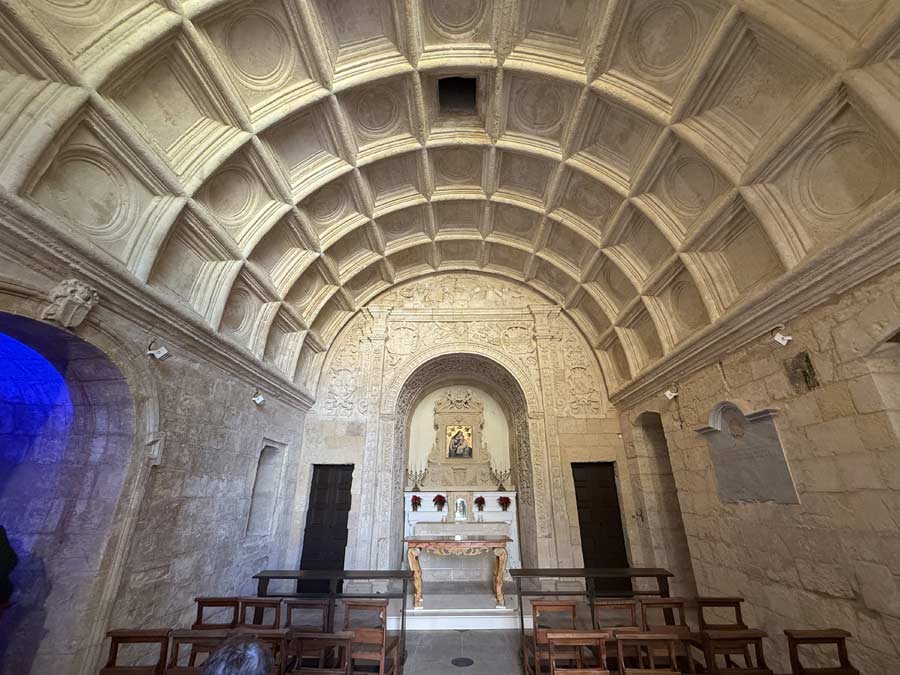
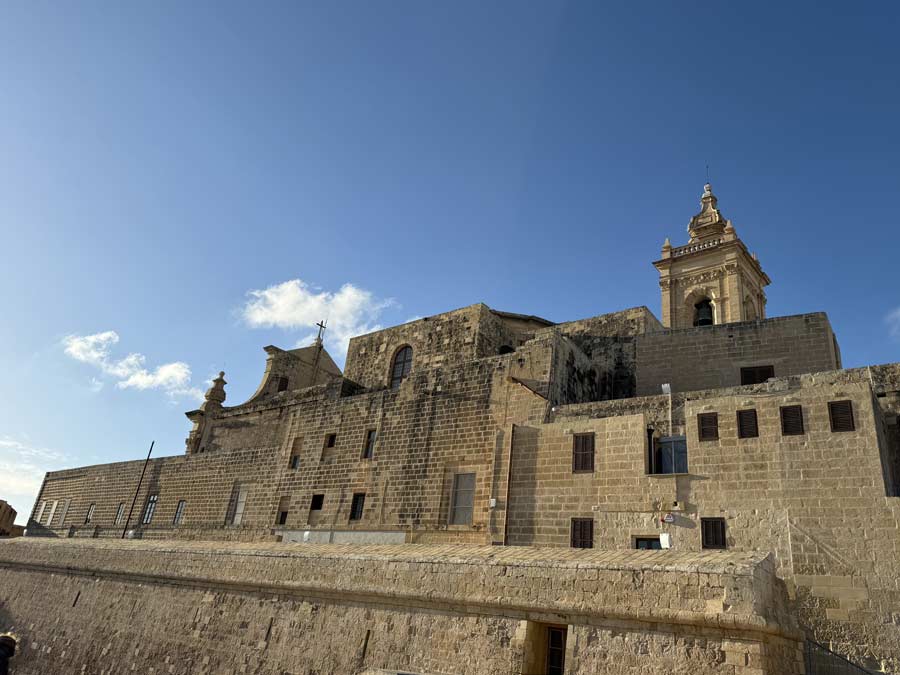
Malta’s cinematic appeal is another layer that makes it so fascinating. The island has served as the backdrop for countless films and TV shows, thanks to its stunning architecture and dramatic landscapes. Fans of Game of Thrones might recognize Mdina’s gates as the entrance to King’s Landing, while Fort Ricasoli in Valletta has appeared in blockbusters like Gladiator and Troy. The sweeping cliffs and historic streets were also featured in The Count of Monte Cristo, and parts of World War Z were filmed here as well. Walking through these locations, it’s easy to see why filmmakers are drawn to Malta—it’s like the island itself is a character, adding depth and authenticity to every scene. For movie buffs, visiting these spots adds a whole new level of excitement to exploring the island.

Dining in Malta
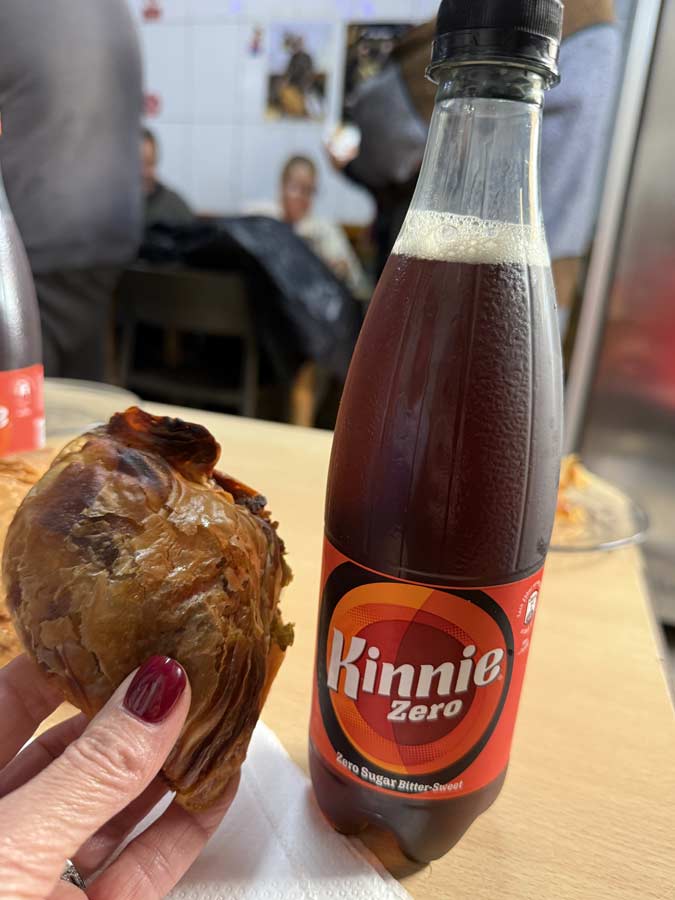
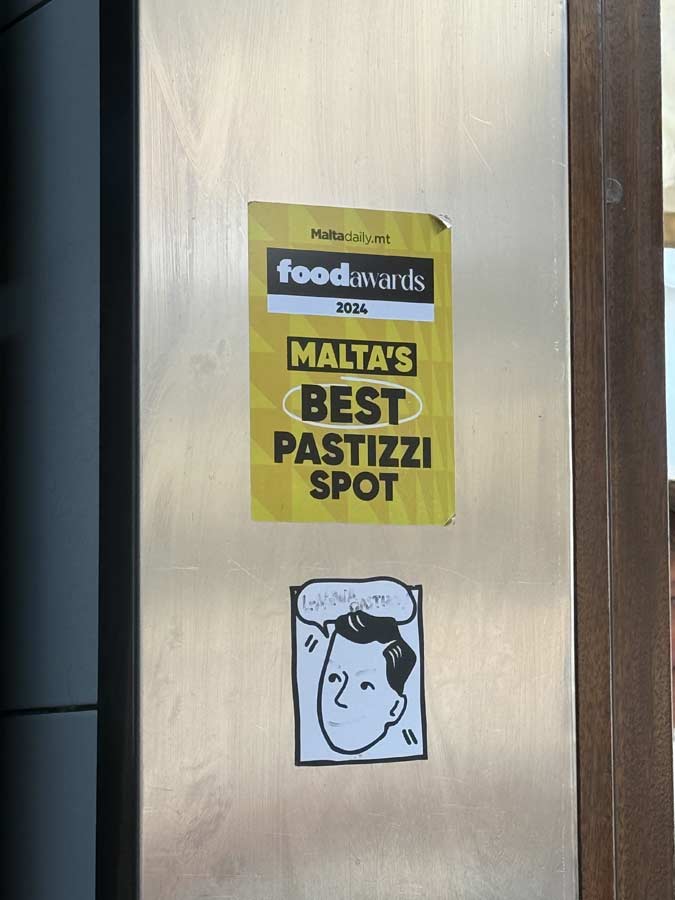
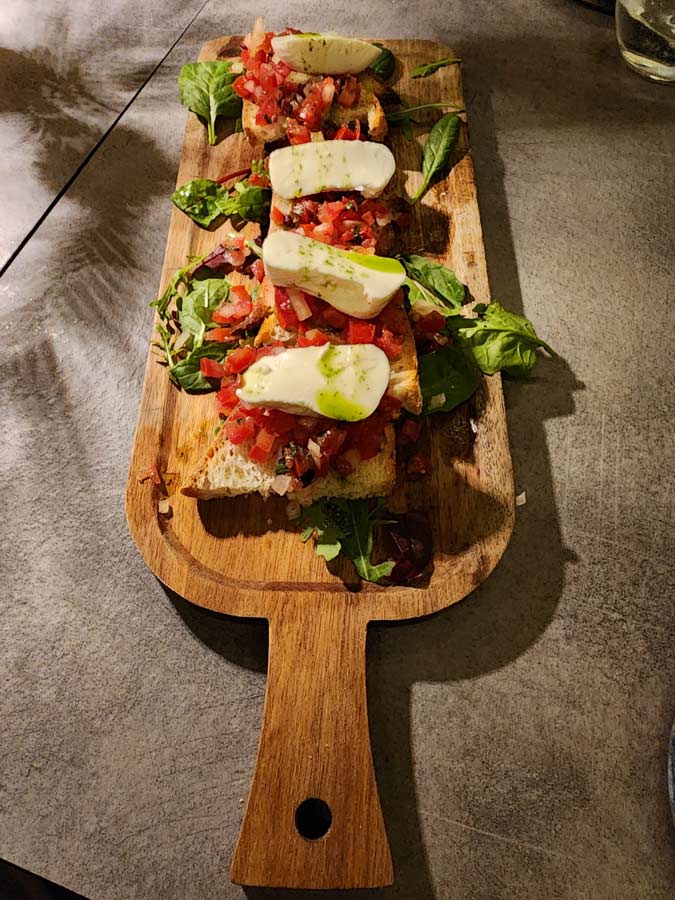
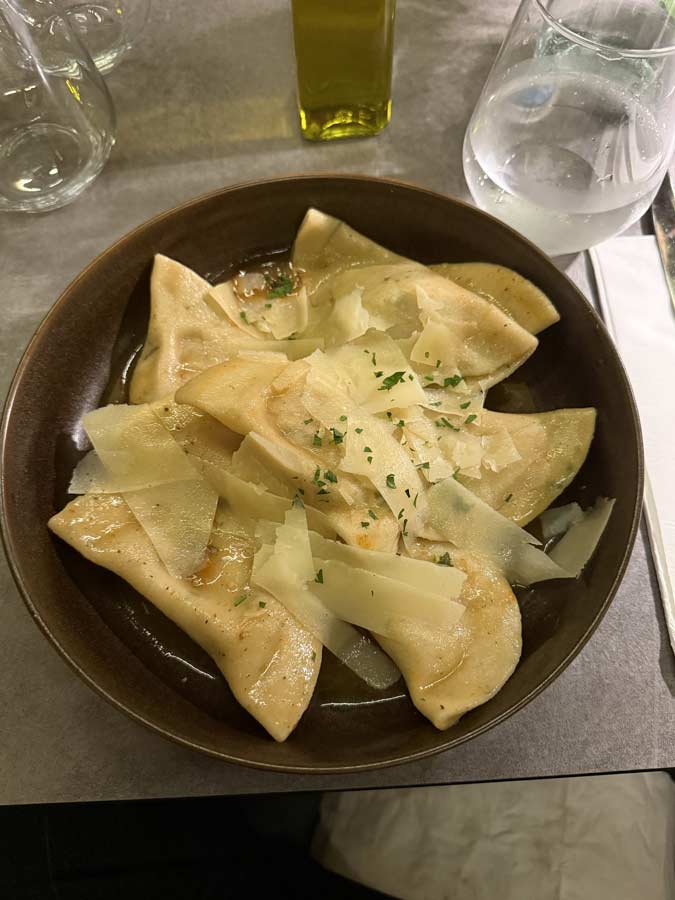
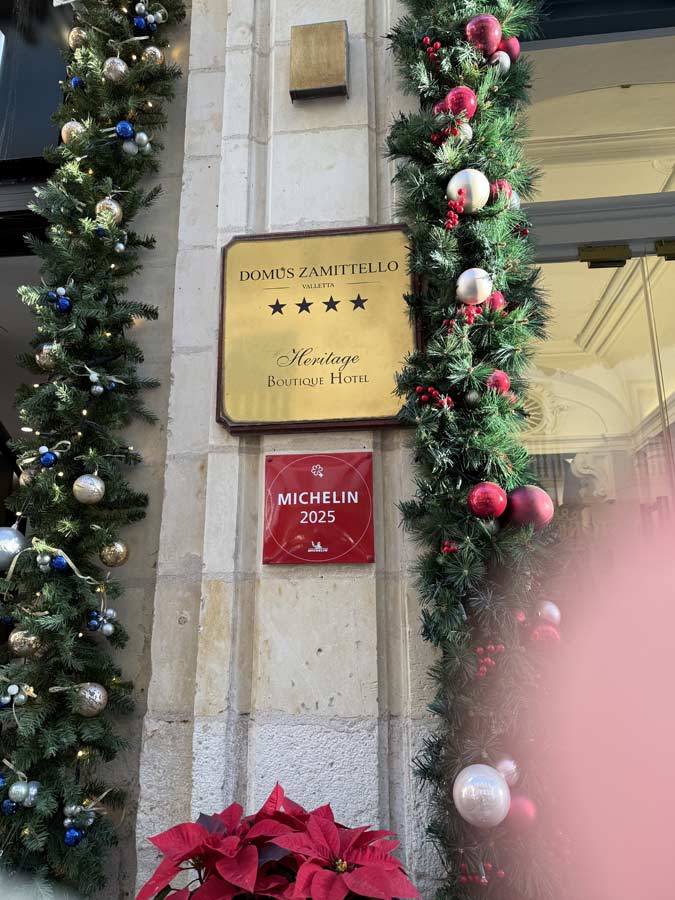
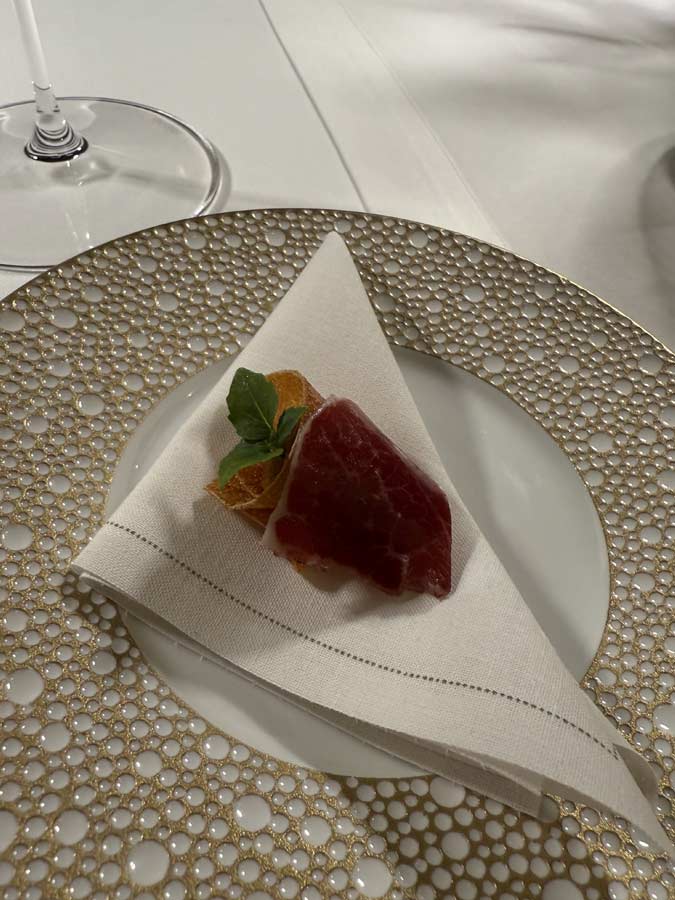
Malta’s food scene is seriously impressive, with something for every kind of eater. Great street food all the way to a fancy Michelin-star dinner. The street food is where it all starts—pastizzi is the go-to. These little flaky pastries stuffed with ricotta or spiced peas are sold everywhere, and they’re the perfect thing to munch on while wandering around. We tried the local soda called “Kinnie” and, I’m not gonna lie, the sweet but bitter taste was addictive. The cafés are just as inviting, especially in places like Valletta or Mdina, where you can sit outside, sip a cappuccino, and maybe try some imqaret, a sweet pastry filled with dates. But if you’re in the mood to splurge, Malta’s got a handful of Michelin-starred restaurants that take local ingredients to the next level. Think fresh seafood, rabbit stew (a Maltese classic), and creative spins on Mediterranean dishes, all paired with amazing local wines. The food here is a total highlight and a big part of what makes Malta so unforgettable.
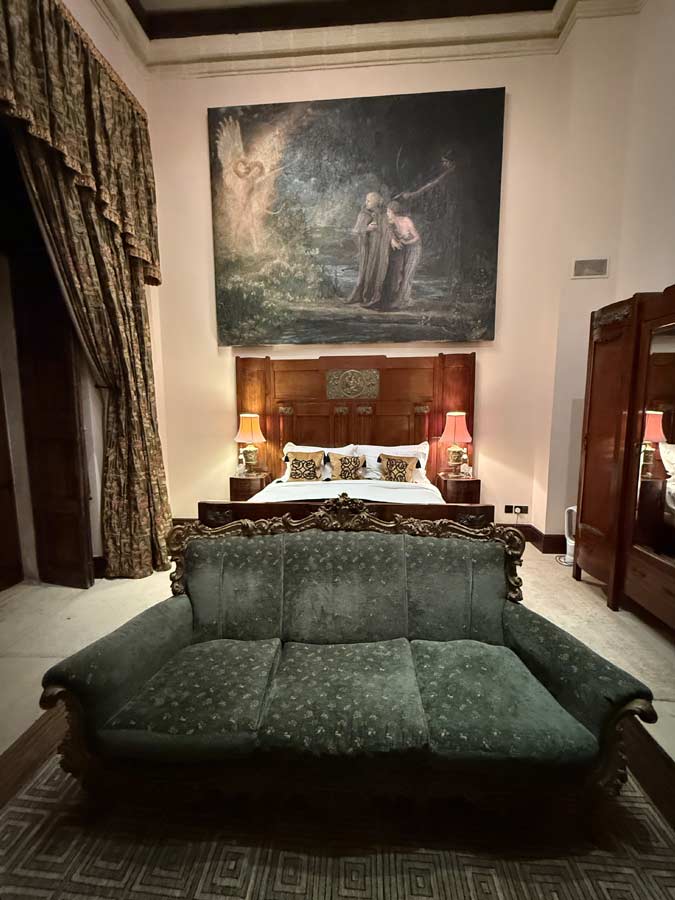
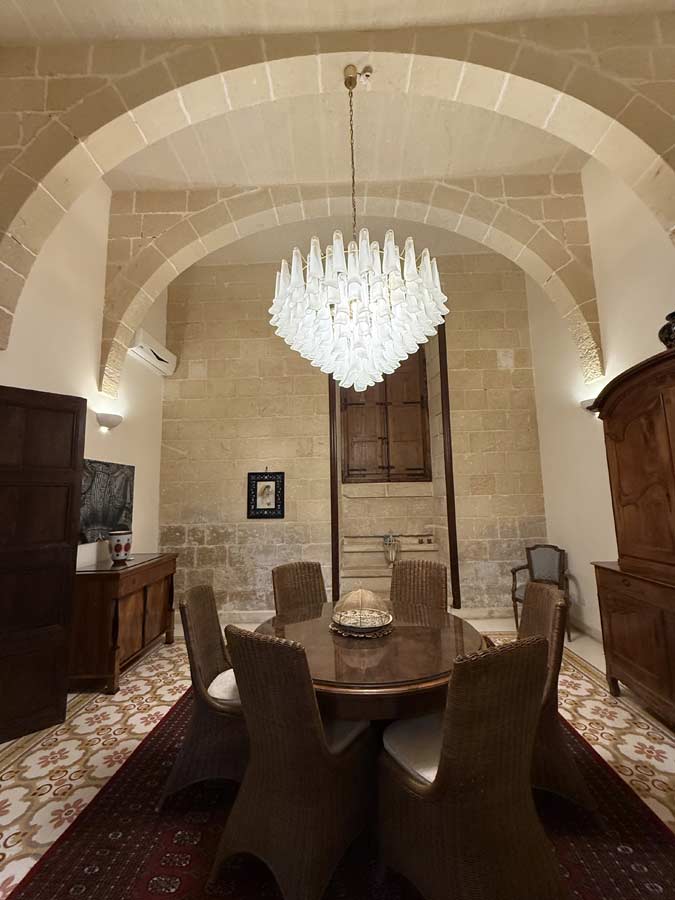
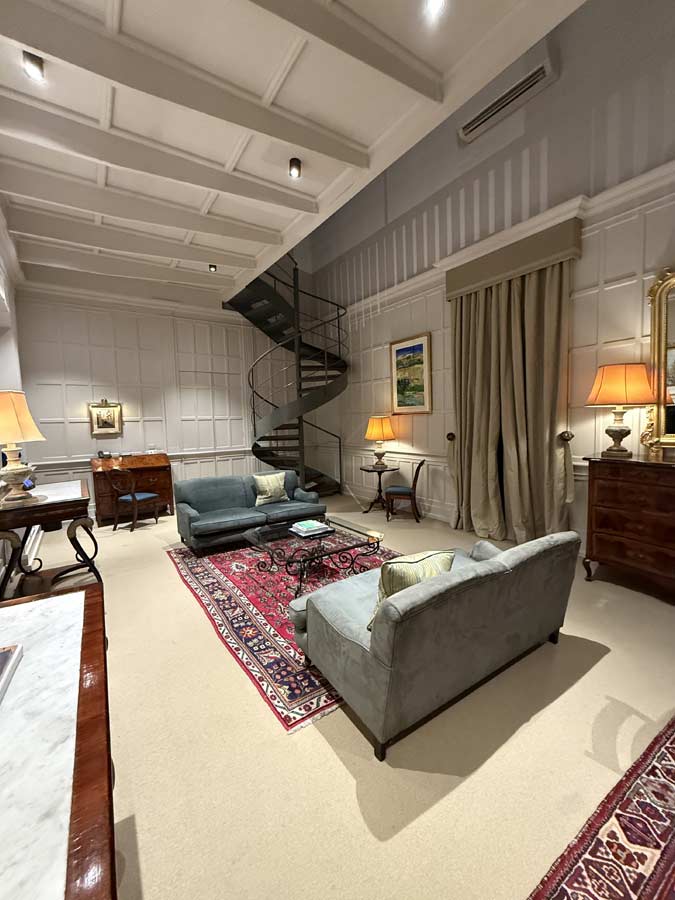
Malta’s accommodations are as diverse and captivating as the island itself, offering something for every type of traveler.
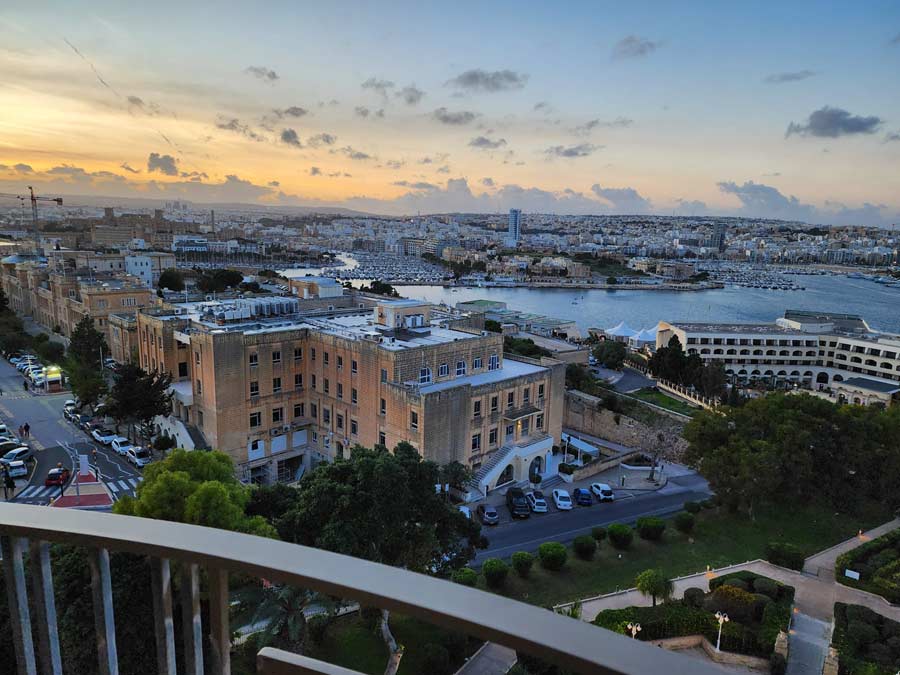
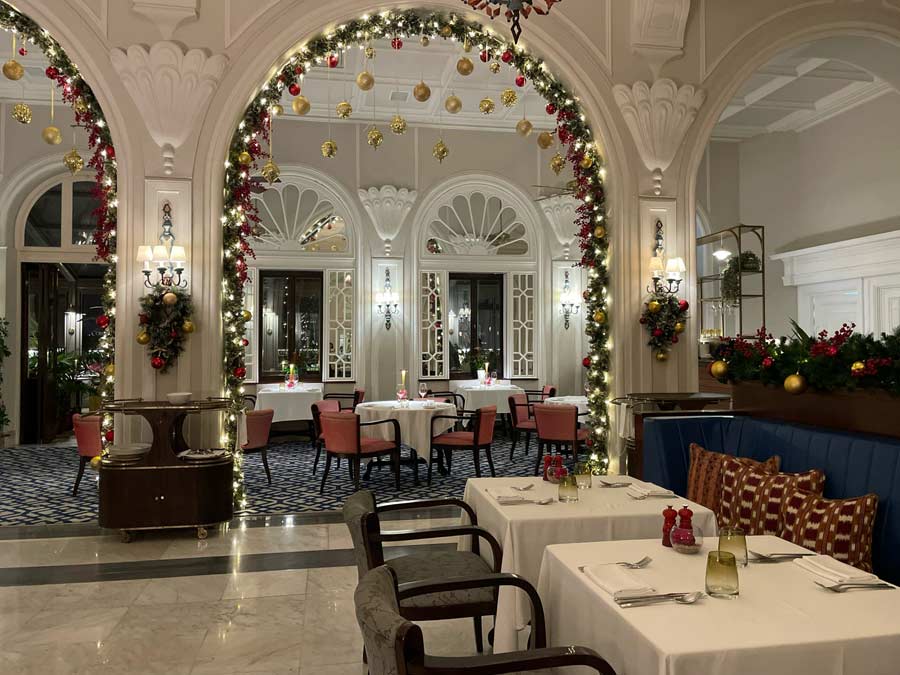
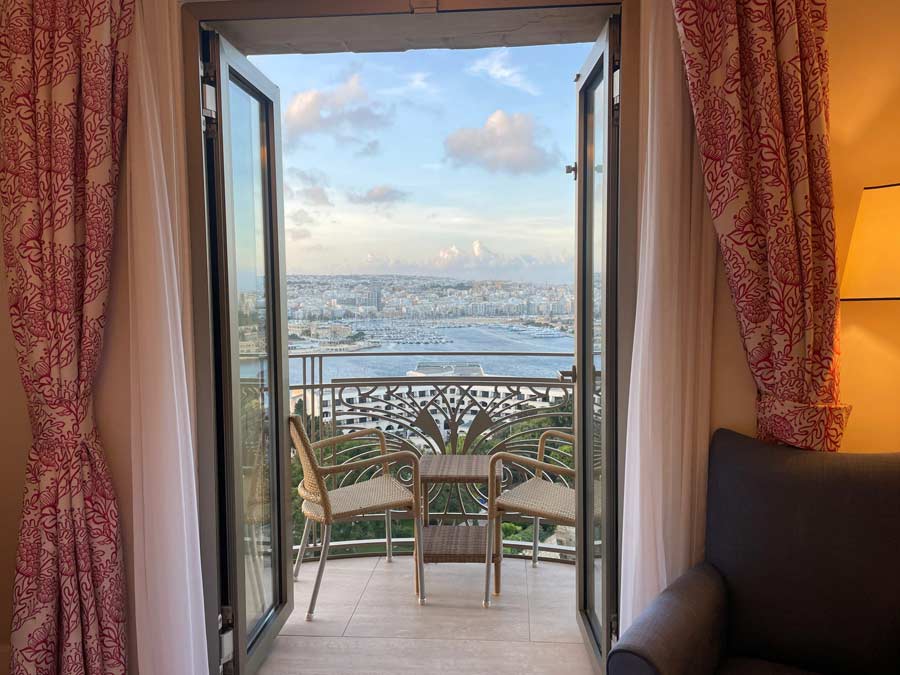
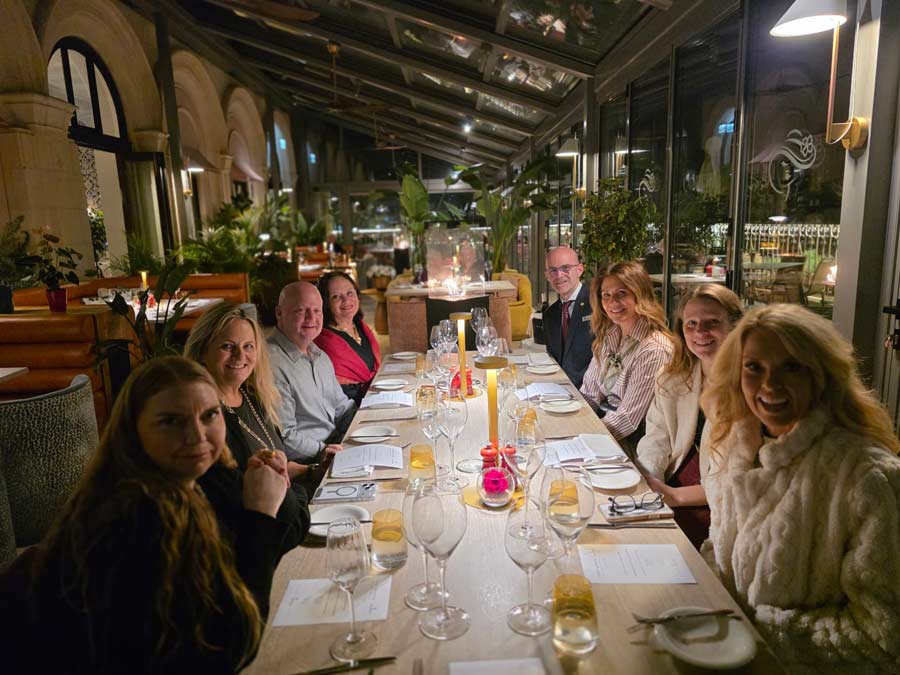
The Phoenicia
Xara Palace
Whether you’re looking for grandeur or a more intimate escape, Malta’s accommodations deliver an unforgettable stay.

Malta is more than a destination—it’s a place where history, culture, and natural beauty come together in a way that’s completely unique. There’s so much more to Malta that what I’ve covered here. It’s a place I’ll be talking about for years and will do my best to get back there someday soon. Combining Malta with a trip to Sicily and/or Italy is a dream combination. And with plans for direct flights from the US to Malta in late March 2026, Malta will be more accessible than ever.
Give Designer Travel a call at (801) 935-8652 or fill out schedule a 15-minute discovery call to find out more about how we can help you make your next vacation to Malta or any other destination hassle-free and amazing. With our first-hand knowledge and insider connections we can put together the perfect custom itinerary. Learn more about our travel planners and what makes Designer Travel the best travel agents in Utah.